Este módulo pressupõe a leitura prévia dos módulos Lógica/Cálculo Proposicional Clássico/Dedução Natural - Parte I e Lógica/Cálculo Proposicional Clássico/Dedução Natural - Parte II.
Vamos estabelecer duas regras para cada quantificador: uma para removê-lo e outra para inserí-lo na derivação.
Temos que ser muito cautelosos na aplicação destas regras, pois elas tem muitas restrições. Algumas regras terão a restrição de substitualidade, a qual cabe definir agora:
- Dada uma constante
 , uma variável
  e uma fórmula
  quantificada, se não ocorre em no escopo do quantificador para , então dizemos que é substituível por em .
![{\displaystyle {\frac {\forall x(\alpha )}{\alpha \left[x/\mathrm {c} \right]}}}](https://wikimedia.org/api/rest_v1/media/math/render/svg/0b07911997f605a08c7121b5079a47a4a1884c0b)
Ou seja, dada uma fórmula  , aplica-se a eliminação do universal, derivando uma fórmula tal que a variável dá lugar a uma constante .

| |
| 1.
|
|

|
|
Premissa
|
| 2.
|
|

|
|
Premissa
|
| 3.
|
|

|
|
1 
|
| 4.
|
|

|
|
3,2 MP
|
|
- CUIDADO

Lembre-se que esta regra é aplicável a fórmulas quantificadas universalmente, e não a quaisquer fórmulas que contém o quantificador universal. Por exemplo, a eliminação do universal não é aplicável à fórmula  .
.

Ou seja, dada uma fórmula na qual ocorre a constante , aplica-se a introdução do universal, derivando uma fórmula tal que a constante dá lugar à variável . A esta regra coloca-se as seguintes restrições:
- a constante não pode ocorrer em premissa ou hipótese vigente.
- deve ser substituível por em .

| |
| 1.
|
|

|
|
Premissa
|
| 2.
|
|

|
|
Premissa
|
| 3.
|
|

|
|
1
|
| 4.
|
|

|
|
2
|
| 5.
|
|

|
|
3,4 SH
|
| 6.
|
|

|
|
5 
|
|

| |
| 1.
|
|

|
|
Premissa
|
| 2.
|
|

|
|
1
|
| 3.
|
|

|
|
2
|
| 4.
|
|

|
|
3
|
| 5.
|
|

|
|
4
|
|
- CUIDADO
O desrespeito à primeira restrição acarretará em derivações falaciosas. Por exemplo:
| |
| 1.
|
|

|
|
Premissa
|
| 2.
|
|

|
|
1
|
|
Algo como "Frege é lógico. Logo, todos são lógicos". O que é obviamente inválido.
O desrespeito à segunda restrição também acarretará em derivações absurdas, tais como:
| |
| 1.
|
|

|
|
Premissa
|
| 2.
|
|

|
|
1
|
| 3.
|
|

|
|
2
|
|

Ou seja, dada uma fórmula na qual ocorre a constante , aplica-se a introdução do existencial, derivando uma fórmula  tal que a constante dá lugar à variável . A esta regra coloca-se a restrição de que deve ser substituível por em .

| |
| 1.
|
|

|
|
Premissa
|
| 2.
|
|

|
|
1
|
| 3.
|
|

|
|
2 
|
|

| |
| 1.
|
|

|
|
Premissa
|
| 2.
|
|

|
|
1 S
|
| 3.
|
|

|
|
2
|
| 4.
|
|

|
|
1 S
|
| 5.
|
|

|
|
4
|
| 6.
|
|

|
|
3,5 C
|
|
- CUIDADO
Lembre-se que apenas uma constante por vez pode ser substituída pela variável. Caso o contrário, ter-se-ia derivações absurdas como:
| |
| 1.
|
|
|
|
Premissa
|
| 2.
|
|
|
|
1
|
|
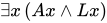
Algo como "Colombo descobriu a América e Armstrong andou sobre a Lua. Logo, alguém descobriu a América e andou sobre a Lua". O que é obviamente inválido.
Trataremos aqui a eliminação do existencial como uma regra de inferência hipotética:
Dada uma fórmula , levanta-se como hipótese uma fórmula tal que a variável dá lugar a uma constante . Desta hipótese, deriva-se uma fórmula  . Ao aplicar a eliminação do existencial, descarta-se a hipótese e é inserida na derivação. A esta regra coloca-se a seguinte restrição: a constante não pode ocorrer em premissa, hipótese vigente, em ou .

| |
| 1.
|
|
|
|
Premissa
|
| 2.
|
|

|
|
Premissa
|
|
|
|
|
| 3.
|
|
|
|
|
Hipótese para 
|
| 4.
|
|
|

|
|
3 DN
|
| 5.
|
|
|

|
|
4
|
| 6.
|
|
|

|
|
2,5 MP
|
| 7.
|
|
|
|
1,3-5
|
|

| |
| 01.
|
|
|
|
Premissa
|
| 02.
|
|
|
|
Premissa
|
|
|
|
|
|
|
| 03.
|
|
|
|
|
Hipótese
|
|
|
|
|
|
|
| 04.
|
|
|
|

|
|
Hipotese para
|
| 05.
|
|
|
|

|
|
1
|
| 06.
|
|
|
|

|
|
4 S
|
| 07.
|
|
|
|

|
|
5,6 MP
|
| 08.
|
|
|
|

|
|
4 S
|
| 09.
|
|
|
|

|
|
7,8 C
|
| 10.
|
|
|
|
|
|
9
|
| 11.
|
|
|
|
|
3,4-10
|
| 12.
|
|
|

|
|
11,2 C
|
| 13.
|
|

|
|
3,12 RAA
|
|
Demonstre:





Confira aqui as respostas
A única regra derivada para quantificadores que trataremos aqui é o Intercâmbio de Quantificadores (IQ):


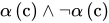
Vamos provar cada caso deste regra:

| |
| 1.
|
|

|
|
Premissa
|
| 2.
|
|

|
|
1
|
|
|
|
|
| 3.
|
|
|
|
|
Hipótese
|
|
|
|
|
|
| 4.
|
|
|
|

|
|
Hipótese para
|
| 5.
|
|
|
|
|
|
4,2 C
|
| 6.
|
|
|
|

|
|
5
|
| 7.
|
|
|
|
|
3,4-6
|
| 8.
|
|
|
|
|
7
|
| 9.
|
|

|
|
3,8 RAA
|
|

| |
| 1.
|
|
|
|
Premissa
|
|
|
|
|
| 2.
|
|
|
|
|
Hipótese
|
| 3.
|
|
|
|
|
2
|
| 4.
|
|
|

|
|
3,1 C
|
| 5.
|
|
|
|
2,4 RAA
|
| 6.
|
|
|
|
5
|
|

| |
| 01.
|
|

|
|
Premissa
|
|
|
|
|
| 02.
|
|
|

|
|
Hipótese
|
|
|
|
|
|
| 03.
|
|
|
|
|
|
Hipótese
|
| 04.
|
|
|
|

|
|
3
|
| 05.
|
|
|
|

|
|
2,4 C
|
| 06.
|
|
|

|
|
3,5 RAA
|
| 07.
|
|
|
|
|
6 DN
|
| 08.
|
|
|
|
|
7
|
| 09.
|
|
|

|
|
1,8 C
|
| 10.
|
|

|
|
2,9 RAA
|
| 11.
|
|
|
|
10 DN
|
|

| |
| 1.
|
|
|
|
Premissa
|
|
|
|
|
| 2.
|
|
|
|
|
Hipótese
|
|
|
|
|
|
| 3.
|
|
|
|
|
|
Hipótese
|
| 4.
|
|
|
|
|
|
3
|
| 5.
|
|
|
|
|
|
2,4 C
|
| 6.
|
|
|
|
|
3,5 RAA
|
| 7.
|
|
|
|
1,2-6
|
|
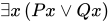
Segue abaixo alguns exemplos que ilustram o quanto a regra de intercâmbio de quantificadores é útil.

| |
| 01.
|
|
|
|
|
Hipótese
|
|
|
|
|
|
|
|
| 02.
|
|
|
|

|
|
|
Hipótese
|
| 03.
|
|
|
|

|
|
|
2 DM
|
| 04.
|
|
|
|

|
|
|
3 S
|
| 05.
|
|
|
|

|
|
|
3 S
|
| 06.
|
|
|
|

|
|
|
4 IQ
|
| 07.
|
|
|
|

|
|
|
5 IQ
|
| 08.
|
|
|
|

|
|
|
6
|
| 09.
|
|
|
|

|
|
|
7
|
| 10.
|
|
|
|

|
|
|
8,9 C
|
| 11.
|
|
|
|

|
|
|
10 DM
|
| 12.
|
|
|
|

|
|
|
11
|
| 13.
|
|
|
|

|
|
|
12 IQ
|
| 14.
|
|
|
|

|
|
|
1,13 C
|
| 15.
|
|
|

|
|
|
2,14 RAA
|
| 16.
|
|
|

|
|
|
15 DN
|
|
|
|
|
|
|
| 17.
|
|

|
|
1,16 RPC
|
|

| |
| 01.
|
|
|
|
|
Hipótese
|
|
|
|
|
|
|
|
| 02.
|
|
|
|
|
|
Hipótese
|
| 03.
|
|
|
|
|
|
2 IQ
|
| 04.
|
|
|
|
|
|
3
|
| 05.
|
|
|
|
|
|
4 DM
|
|
|
|
|
|
|
|
|
| 06.
|
|
|
|
|
|
|
Hipótese
|
| 07.
|
|
|
|
|

|
|
1,6 SD
|
| 08.
|
|
|
|
|
|
|
5 S
|
| 09.
|
|
|
|
|
|
|
8
|
| 10.
|
|
|
|
|
|
|
9 IQ
|
| 11.
|
|
|
|
|

|
|
6,10 C
|
|
|
|
|
|
|
|
|
|
| 12.
|
|
|
|

|
|
6,11 RAA
|
| 13.
|
|
|
|
|
|
12 DN
|
| 14.
|
|
|
|
|
|
5 S
|
| 15.
|
|
|
|
|
|
14
|
| 16.
|
|
|
|
|
|
15 IQ
|
| 17.
|
|
|
|

|
|
13,16 C
|
|
|
|
|
|
|
|
|
| 18.
|
|
|

|
|
2,17 RAA
|
| 19.
|
|
|
|
|
18 DN
|
|
|
|
|
|
|
| 20.
|
|

|
|
1,19 RPC
|
|

| |
| 01.
|
|
|
|
Premissa
|
| 02.
|
|

|
|
Premissa
|
|
|
|
|
| 03.
|
|
|
|
|
Hipótese
|
| 04.
|
|
|
|
|
1
|
| 05.
|
|
|

|
|
4
|
| 06.
|
|
|
|
|
3,4 MP
|
| 07.
|
|
|

|
|
3,5 MP
|
| 08.
|
|
|

|
|
6,7 C
|
| 09.
|
|

|
|
3,8 RAA
|
| 10.
|
|

|
|
9
|
| 11.
|
|

|
|
10 IQ
|
|
Prove os seguintes teoremas:







Confira aqui as respostas





